Uganda Wildlife Photography Safari: The Photographer’s Complete Guide 2026
Uganda Wildlife Photography Safari: The Photographer’s Complete Guide 2026
For wildlife and nature photographers, Uganda is one of Africa’s most rewarding and underrated destinations. The combination of mountain gorillas, chimpanzees, colorful birds, dramatic landscapes and relatively low visitor numbers creates extraordinary photographic opportunities.
Why Uganda Is a Photographer’s Destination
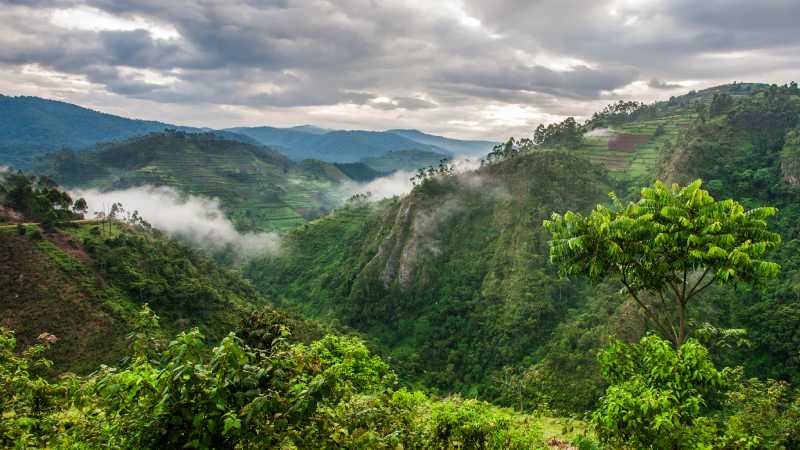
Mountain gorillas in Bwindi’s dappled forest light — one of wildlife photography’s greatest challenges and rewards. Birds — 1,061 species including the prehistoric Shoebill, electric-blue African Pygmy Kingfisher, Rwenzori Turaco and Uganda’s Crowned Crane. Chimpanzees in Kibale Forest — fast-moving through the canopy, requiring skill but delivering extraordinary portraits. Landscapes — Murchison Falls, Queen Elizabeth NP, Fort Portal crater lakes, Bwindi’s misty ancient forest.
Equipment Recommendations
Gorilla trekking: 70–200mm f/2.8 ideal, full-frame body for high ISO performance, monopod recommended, rain cover essential. No flash permitted. Game drives: 100–400mm or 150–600mm telephoto, bean bag for vehicle window shooting. Birding: 500mm+ ideal, fast burst rate body.
TripCare Adventure Photography Modifications
Extended 5:30am golden-hour game drives. Private vehicles to prevent disruption. Gorilla family selection advice for best-lit forest positions. Extended time allocation at key sites (Mabamba Shoebill, Kazinga Channel). Photography-focused guide briefings.
Best Photography Sites
Mabamba Swamp (Shoebill dawn), Kibale Forest (chimp portraits), Bwindi (gorilla close-ups), Kazinga Channel (hippos at boat level), Murchison Falls top (Nile power and drama), Ishasha (tree-climbing lions). Book a photography-optimised Uganda safari with TripCare Adventure.
Recent Posts
Why Uganda Should be your next Destination.
International French Tourism Market IFTM
Two Wheels Through the Alps: An African Rider’s Dream Come True
Tags